You may experience physical symptoms, such as fatigue, pain, swelling, breathing problems and irregular heart rate. Weight loss and weight gain are indicators that a person’s alcohol use is changing. Interestingly, Princeton University scientists found that the same chemical trigger that produces high-fat food cravings (galanin) may increase the desire for alcohol. Alcoholics can become inattentive to personal hygiene and have a disheveled appearance when abusing substances. Poor physical care and an unkempt appearance are serious problems if this issue affects the workplace, social circles or family life. People in the young antisocial subtype begin using alcohol at an earlier age than other groups.

Levels of Care at IRC
- They can start drinking as young as 15 and become dependent on alcohol by 18.
- You’ll notice symptom onset varies based on your drinking patterns and individual physiology.
- For some of us, half a dozen drinks during a night out aren’t yet enough to faze us.
- Porphyria cutanea tarda (PCT) is another indicator of liver disease and is most commonly caused by alcohol use disorder.
- However, memory issues can lead to a greater risk of progressive dementia without treatment for alcohol abuse.
People with alcoholism can develop erosive gastritis, where the stomach lining wears away. Unexplained bruises and scrapes may be observed more frequently, and alcoholics can have reduced platelet counts and other clotting factors, making them more likely to bruise. This is especially true when you consider the increased likelihood of them falling. From there, you will work on maintenance (learning to live sober) and, finally, transcendence or full recovery.
Dark Circles Under the Eyes
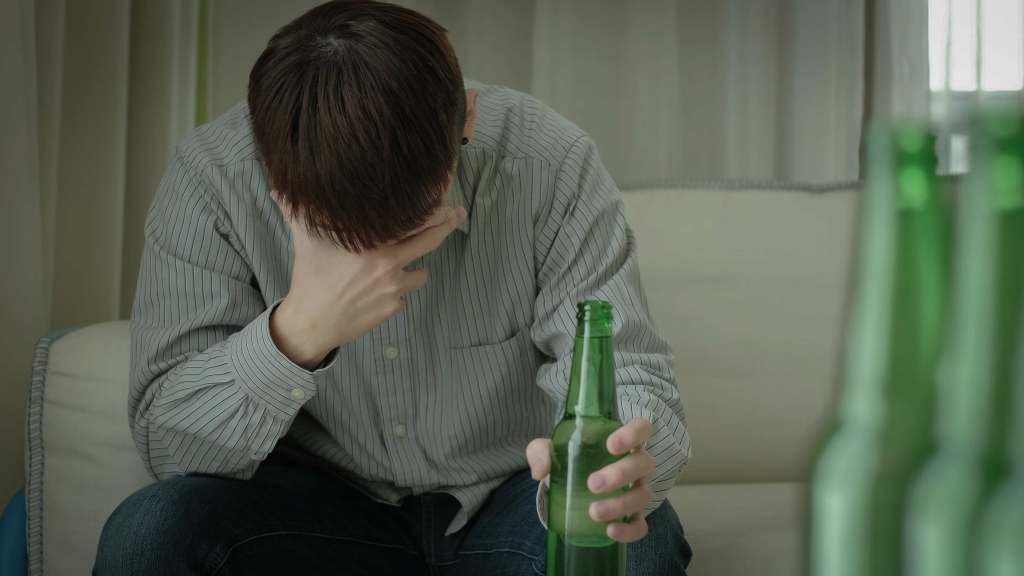
Chronic alcoholics may develop a potbelly or swollen facial features from liver damage and nutritional deficiencies. Alcoholism, also known as alcohol addiction or alcohol use disorder, is a chronic disease characterized by an inability to control or stop drinking despite negative consequences. It goes beyond simply enjoying a drink or https://ecosoberhouse.com/ two; it involves a compulsive need for alcohol that disrupts an individual’s personal, professional, and social life. Withdrawal symptoms signal physical dependence that requires medical supervision. You need professional support when you experience tremors, sweating, anxiety, nausea, headaches, or insomnia when you stop drinking.
Defensive Attitudes About Drinking Habits
The signs of alcoholism that people typically think of focus on behaviors, but there are also physical symptoms that can occur from alcohol abuse. Read on to learn about the physical sign of alcoholism short-term and long-term physical repercussions of excessive drinking on our health. In the late stages of alcoholism, the physical and psychological toll becomes increasingly severe. Individuals may display a loss of interest in previously important aspects of their life, isolation from loved ones, and an inability to function without alcohol. Severe liver damage, cirrhosis, and organ failure are potential consequences of prolonged alcohol abuse in this stage, and immediate intervention is crucial. In addition to liver damage, alcoholism can also have detrimental effects on the cardiovascular system.

By seeking professional help, individuals can overcome the physical and psychological challenges of alcoholism, paving the way for a healthier, alcohol-free life. One of the most visible physical characteristics of alcoholism is a persistently red or flushed facial complexion, often concentrated on the nose and cheeks. This condition, known as alcoholic redness or “alcoholic nose”, results from the enlargement of blood vessels and increased blood flow caused by excessive alcohol consumption over time. More obvious symptoms may include tremors, slurred speech, impaired coordination, and bloodshot or glassy eyes. As alcoholism progresses, withdrawal symptoms like profuse sweating can occur even between drinking sessions.
When is Addiction Treatment Necessary?
Hidden alcohol storage demonstrates planning and what is alcoholism premeditation in your drinking habits. You may keep alcohol in unexpected places like your car, office desk, or hidden locations at home to ensure constant access. Neglecting responsibilities appears when alcohol interferes with your performance at work, home, or school. You may miss important commitments, arrive late, or produce substandard work due to drinking or recovery from drinking. Loss of control manifests as your inability to stop drinking once you start or consistently consuming more alcohol than you originally intended.