Stay Connected Worldwide With One International eSIM Plan
Have you ever wondered how to stay connected across multiple countries without swapping physical SIM cards? An international eSIM is a embedded digital profile that lets you instantly activate a cellular plan from a global provider, often covering dozens of destinations. By scanning a QR code or using an app, you download the eSIM onto your compatible device, granting immediate access to local or regional networks. This eliminates the need for purchasing separate local SIMs and offers straightforward, pay-as-you-go data packages that activate upon arrival.
Why Travelers Are Switching to Global Connectivity Solutions
Travelers are switching to global connectivity solutions like international eSIMs primarily to eliminate the hassle of physical SIM swaps upon arrival in each new country. Instead of hunting for local vendors or dealing with fragile nano-SIMs, a single eSIM profile allows instant activation on a compatible smartphone. This provides immediate data access for maps and translation the moment the plane lands. The flexibility of pre-purchasing regional or global data packages prevents unexpected roaming bills. However, the true advantage lies not in cost alone but in the continuity of service, as users maintain their primary number for two-factor authentication while using a secondary eSIM for local data. This streamlined approach to staying connected across borders is the core reason for the shift.
How embedded SIM technology eliminates roaming fees
Embedded SIM (eSIM) technology eliminates roaming fees by replacing physical SIM cards with a reprogrammable chip that allows users to instantly switch to a local carrier’s data plan upon arrival in a new country. Instead of incurring your home provider’s international markup, you simply download a regional or local eSIM profile via an app, routing your connection through a domestic network at local rates. This bypasses the need for traditional roaming agreements entirely. Direct local network access is the core mechanism that removes per-MB charges, flat daily fees, and surprise bills tied to cross-border usage.
- Connects directly to a local carrier instead of your home network abroad
- Enables purchase of destination-specific data packs that match local pricing
- Eliminates the need for physical SIM swaps or postal delivery of foreign SIMs
Comparing traditional SIM cards with virtual profiles
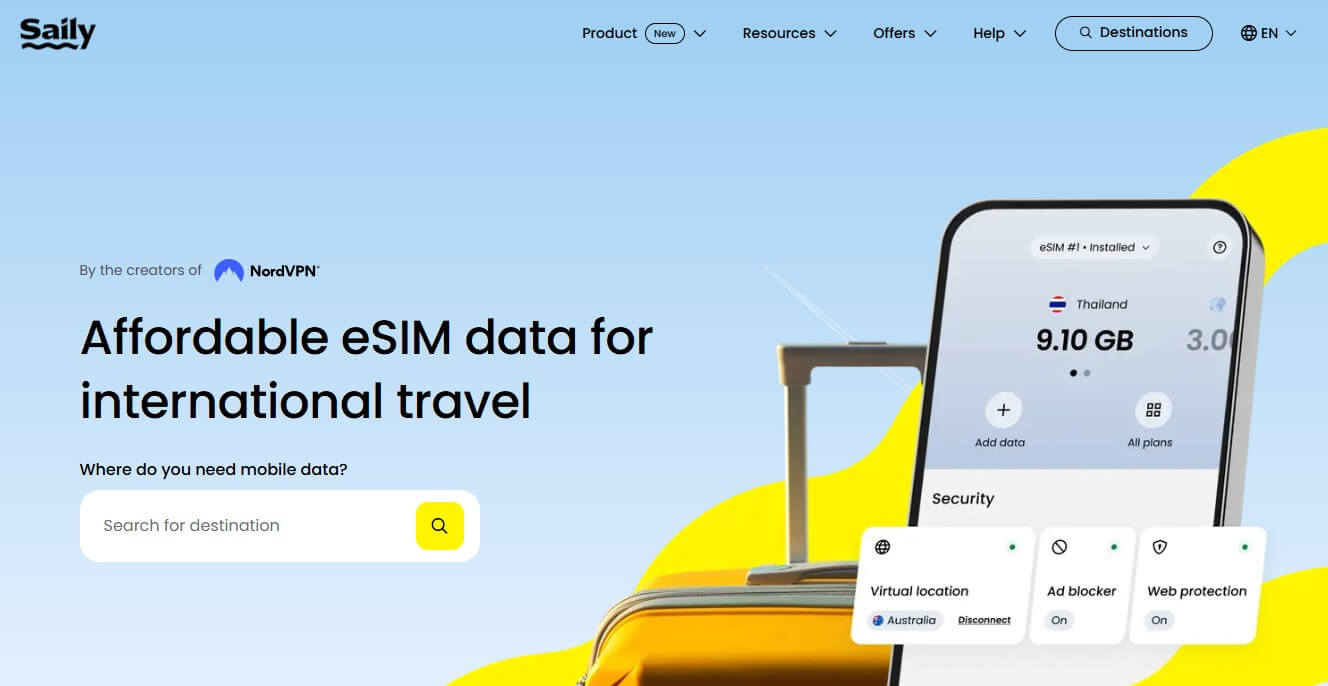
Traditional SIM cards demand physical swaps, forcing travelers to hunt for local vendors or pay exorbitant roaming fees. Virtual profiles, conversely, let you download an international eSIM in seconds, instantly accessing local networks without ejecting your home SIM. You keep your primary number active for calls and texts, while the digital profile handles data abroad—no tiny cards to lose or store. This dual-SIM functionality lets you compare plans in-app, activating a new virtual profile as you cross borders, rather than fumbling with plastic.
Virtual profiles offer the practical advantage of instant, dual-carrier connectivity without the hassle of swapping or losing a physical card.
The convenience of instant activation before departure
The core advantage of instant activation before departure lies in eliminating the logistical friction of securing connectivity upon arrival. Travelers simply purchase and install the eSIM profile from home, ensuring the service is ready the moment the plane lands. This pre-emptive setup bypasses airport kiosk queues, incompatible local SIM rules, and the need to swap physical cards while juggling luggage. Activation occurs via a QR code or app download, requiring only a stable Wi-Fi connection hours or days ahead. Consequently, the user maintains seamless access to maps, ride-sharing, and communication apps from the very first step off the aircraft, removing the common stress of being unreachable in a foreign environment.
- Allows device setup at home using existing Wi-Fi, avoiding reliance on foreign networks at the terminal.
- Eliminates the need to locate and purchase a local SIM card immediately after a long flight.
- Preserves access to digital boarding passes and accommodation details before leaving the arrival zone.
Choosing the Right Service Provider for Cross-Border Data
When choosing the right service provider for cross-border data, prioritize carriers offering direct, native connections in your destination countries rather than routing traffic through a single home network. Check that their international eSIM plans include multi-network access, which automatically switches to the strongest local signal, preventing dead zones. Verify data throttling policies and ensure your plan supports tethering for laptops. Look for real-time usage dashboards via a companion app, allowing you to top up or switch plans instantly without hunting for physical SIMs. Reliable providers offer 24/7 chat support specifically for roaming issues, not just sales inquiries.
Top-rated platforms offering flexible data packages
For travelers needing flexible data packages, Airalo and Holafly lead the market by offering customizable regional or country-specific eSIM plans that can be topped up instantly. Airalo provides pay-as-you-go options with no expiry on some bundles, while Holafly focuses on unlimited high-speed data for short trips. Both platforms allow activation before departure. For maximum flexibility, follow this sequence:
- Compare package pricing for your destination on each app.
- Select a plan with daily, weekly, or monthly validity.
- Download the eSIM and activate via QR code at your convenience.
These tools eliminate roaming surprises, giving you total control over your data usage abroad.
Evaluating coverage maps and network partners
When evaluating an international eSIM, scrutinize coverage maps for native network partner density rather than general regional shading. Prioritize providers who disclose specific local carriers per country, as many eSIMs rely on a single partner, leading to weak signals in rural areas. Cross-reference a provider’s listed partners against actual local network performance reports. If a map only shows broad “4G/5G” zones without naming operators, it often indicates roaming on a single, possibly congested tower. Q: Do coverage maps accurately show which local carriers I’ll actually connect to? A: Only if the provider explicitly names each partner network per region; vague coverage blobs rarely guarantee strong, native-tier connectivity.

Cost comparisons between regional and worldwide plans
When evaluating provider costs for cross-border data, regional eSIM plans consistently undercut worldwide plans for focused travel. A regional Europe plan, for example, might cost $20 for 10GB across 30 countries, whereas a comparable global plan covering 100+ nations often exceeds $50 for the same data volume. The core trade-off is geographical flexibility versus price per gigabyte. If your itinerary only spans one continent, the regional plan yields a lower effective cost. A worldwide plan only becomes financially logical if you hop between multiple continents within a single billing period, avoiding the cumulative cost of buying separate regional passes.
| Plan Type | Example Cost (10GB/30 days) | Best Use Case | Cost Per GB (approx.) |
|---|---|---|---|
| Regional (e.g., Europe) | $20 | Single-continent travel | $2.00 |
| Worldwide | $55 | Multi-continent itinerary | $5.50 |
Understanding Device Compatibility and Setup
Before purchasing an international eSIM, verifying device compatibility is non-negotiable. Your smartphone must be carrier-unlocked and support eSIM technology—check this in your settings under “Cellular” (iOS) or “Connections” (Android). For setup, scan the QR code provided by your eSIM provider, or manually enter the activation details into your device’s cellular plan menu. Install the eSIM before your trip, ensuring it remains inactive until you arrive, to avoid premature activation charges. Q: Will my eSIM work if I remove my physical SIM? A: Yes, but you must first install the eSIM profile and, in dual-SIM settings, designate it for data while keeping your primary line for calls or texts, if desired. Finally, enable “Data Roaming” specifically for the new eSIM plan to establish a connection upon landing.
Which smartphones and tablets support remote provisioning
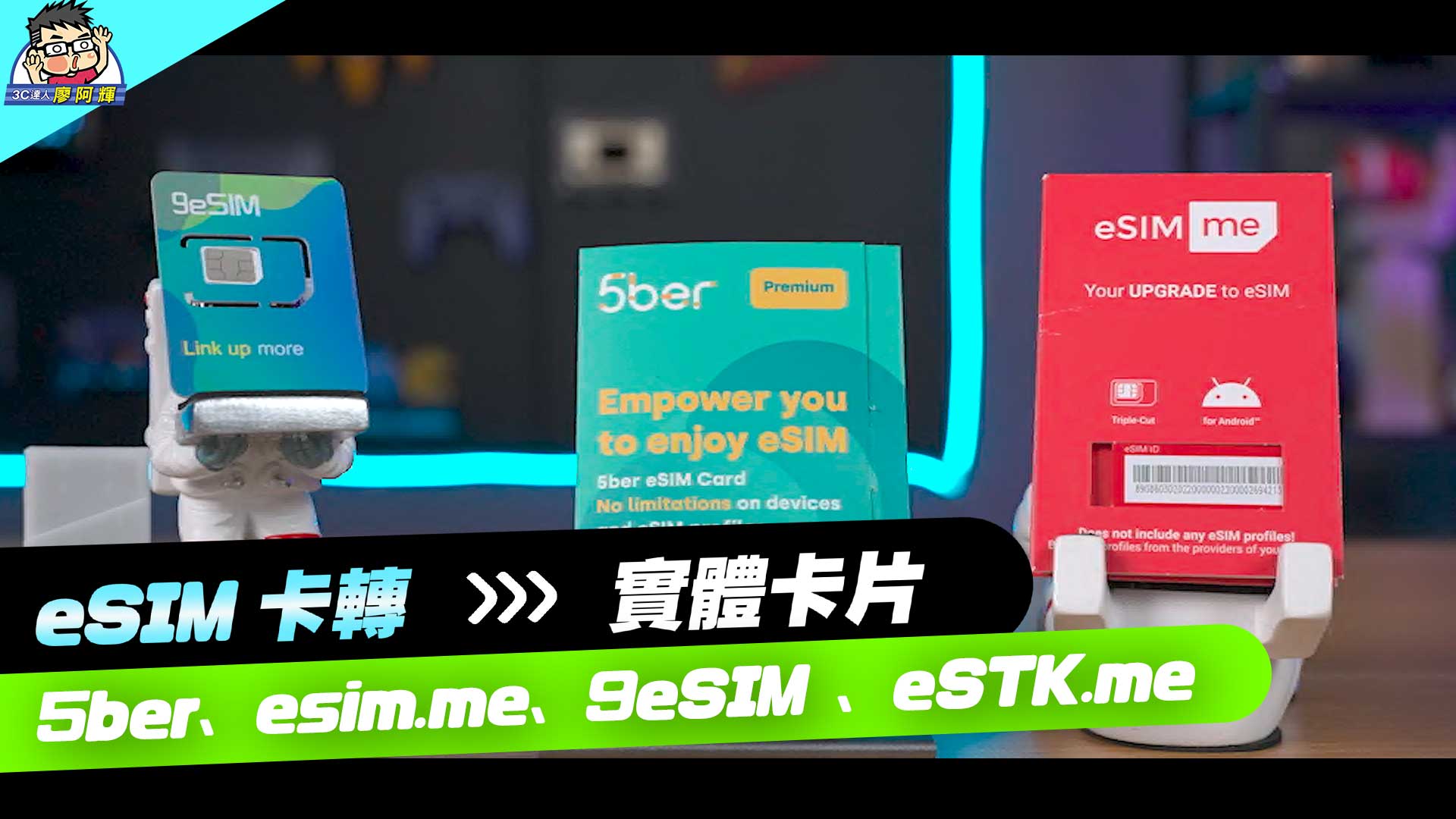
For international eSIM, remote provisioning support is standard on iPhones from the XS/XR onward and on Google Pixel models from the Pixel 3 and later. Most recent Samsung Galaxy flagships, including the S20 and newer, also handle it natively. Tablets like the iPad Pro (3rd gen and later) and iPad Air (3rd gen and later) support it too. Always check your device’s “eSIM” settings before purchasing a plan.
Which smartphones and tablets support remote provisioning out of the box? Essentially, any iPhone from 2018 or later, most high-end Androids from 2020 onward, and recent iPads. Double-check your phone’s IMEI if unsure.
Step-by-step guide to installing a digital profile
Installing an international eSIM digital profile begins by purchasing a compatible data plan from a provider. After receiving the activation QR code or confirmation email, access your device’s settings. On an iPhone, go to mobile data plan installation by navigating to Settings > Cellular > Add Cellular Plan, then scan the QR code. On an Android device, open Settings > Connections > SIM card manager > Add eSIM, and scan the code. Follow on-screen prompts to label the plan (e.g., “Travel Data”) and set it as your data line while keeping your primary SIM active.
- Purchase an eSIM plan from a provider.
- Open device settings and select “Add Cellular Plan” or “Add eSIM.”
- Scan the provided QR code.
- Confirm activation and label the profile.
- Enable data roaming when traveling.
The profile activates immediately once installed.
Troubleshooting common activation issues
If an international eSIM fails to activate, first ensure your device’s carrier lock is disabled and the eSIM profile matches your phone’s IMEI. A common fix is toggling airplane mode or manually selecting the eSIM’s network in your device settings. Quick troubleshooting steps often resolve connectivity errors within minutes. For persistent issues, verify you have a stable Wi-Fi connection during download, then restart the device. Sometimes, activating the eSIM in a different time zone than your origin country triggers a profile refresh.
Q: Why does my international eSIM show “No Service” immediately after activation?
A: This usually means the eSIM hasn’t been assigned a local network partner in your current region. Manually scanning for available networks in your device’s cellular settings often resolves it.
Data Usage Strategies While Traveling Abroad

When using an international eSIM while traveling abroad, prioritize downloading offline maps and essential apps before departure to avoid consuming your data plan on repetitive, high-latency downloads. Activate your eSIM only upon landing to prevent pre-trip roaming charges, and immediately disable data for your primary physical SIM to eliminate dual-network bleed. For critical connectivity,
set your eSIM as the default line for mobile data and configure a VPN for secure public Wi-Fi fallback, but keep background app refresh disabled for all non-essential apps.
Monitor real-time usage via the eSIM provider’s dashboard daily, and cache long-form China eSIM content like audiobooks or travel guides over hotel Wi-Fi before switching back to cellular data en route. Avoid streaming video or large file uploads unless you confirm your eSIM plan includes high-speed thresholds or unlimited data.
Managing multiple lines and primary number retention
Managing multiple lines with an international eSIM is a breeze once you grasp the basics of primary number retention. You simply keep your physical home SIM active for calls and texts, while adding a travel eSIM for data. To do this smoothly, follow this sequence:
- Disable your physical SIM’s data roaming entirely.
- Install and activate your travel eSIM as the exclusive data line.
- Keep your primary line on for SMS authentication or emergency calls.
This setup lets you hold onto your home number for two-factor codes without paying roaming data fees, turning your phone into a dual-line travel companion.
Tips for conserving data across different time zones
When traveling across time zones, conserve data by scheduling high-consumption tasks like map downloads and software updates for off-peak hours in your current location. Time-zone data scheduling prevents using expensive roaming bandwidth during peak traffic. To avoid automatic background refreshes at different hours, disable app updates and email fetching until you arrive. If you cross into a new time zone overnight, switch your device to airplane mode during sleep to prevent background syncing. A clear sequence helps:
- Review your destination’s peak data usage windows.
- Pause automatic syncing before boarding.
- Manually download essential files during local low-traffic periods
- Enable data saver apps that adjust to your new time zone’s thresholds.
Combining local Wi-Fi with mobile coverage
Combining local Wi-Fi with mobile coverage via an international eSIM maximizes data efficiency. Use Wi-Fi for heavy tasks like streaming or large uploads, then manually disable it to let the eSIM handle background notifications and navigation automatically. This hybrid approach saves high-cost eSIM data for essential connectivity. A clear sequence:
- Scan for trusted local Wi-Fi upon arrival.
- Set your device to prioritize Wi-Fi over cellular data.
- Assign the eSIM as the backup for when Wi-Fi drops.
Strategic Wi-Fi handoff prevents accidental fallback to expensive roaming.
Security and Privacy Considerations for Roaming Users
The primary security consideration for roaming users with an international eSIM is the reliance on a home operator’s infrastructure for remote provisioning and management. Data traffic is routed through the eSIM provider’s home network, creating a potential interception point for malicious actors. This routing can bypass local data protection laws, potentially exposing user communications to jurisdictions with weaker privacy safeguards. To mitigate risks, users should verify that their eSIM provider uses strong encryption (e.g., TLS 1.3) for activation and data transport, and avoid accessing sensitive accounts over public Wi-Fi while roaming.
A key insight is that the eSIM profile itself can be remotely wiped or deactivated by the provider; a compromised provider account presents a direct threat to user connectivity and data.
Roaming users should also ensure device lock screens and remote wipe features are enabled to prevent unauthorized access to the eSIM profile if the device is lost.
Encryption standards used by virtual carriers
Virtual carriers fortify international eSIM connections by deploying end-to-end AES-256 encryption, the gold standard for data in transit. This scrambles your voice calls, messages, and browsing sessions between your device and the carrier’s core network. To handle roaming handovers securely, these providers often implement TLS 1.3 tunnels, preventing interception at foreign network gateways. Some advanced virtual carriers layer on Perfect Forward Secrecy (PFS), rotating encryption keys per session so that even a single compromised key cannot decrypt past communications. These measures ensure your roaming data remains private, regardless of which local tower your eSIM latches onto.
Protecting personal information on unfamiliar networks
When roaming with an international eSIM, unfamiliar networks lack your home carrier’s trust layer, making your device more visible to packet sniffers and fake cell towers. Always disable automatic Wi-Fi and Bluetooth to prevent unauthorized data handoffs. Use a VPN to encrypt all traffic before it leaves your phone, ensuring that login credentials and payment details stay scrambled. Avoid accessing sensitive apps like banking on public hotspots; instead, toggle to the eSIM’s cellular data for a direct, encrypted link. Treat every unknown network as hostile—never permit unverified connection prompts.
Q: Should I still use my eSIM’s data on a suspicious open network?
A: No. Even with an eSIM, the local network can monitor your metadata. Wait until you’re on a trusted cellular signal or a secured private Wi-Fi.
Difference between prepaid and postpaid security features
Prepaid eSIMs offer superior security for international roaming by limiting your financial exposure; without a linked contract, a compromised prepaid account can only drain your pre-loaded funds, not your bank account. Postpaid eSIMs, while convenient, create a persistent link to your primary billing, meaning fraudulent roaming usage can trigger massive bills before detection. This makes prepaid eSIM fraud exposure inherently lower because carriers enforce a hard spending cap. In contrast, postpaid plans require strict manual alert settings to avoid bill shock from illicit use. For a confident user, the choice is clear.
Q: If my eSIM is cloned while roaming, which plan type protects my primary finances better?
A: Prepaid; the attacker can only steal the balance already on the SIM, leaving your bank account completely untouched.
Future Trends in Borderless Mobile Technology
Future trends in borderless mobile technology will see international eSIMs evolve into fully autonomous connectivity agents. Devices will automatically negotiate the fastest local network without user input, ending manual profile switching. Will eSIMs eventually replace physical SIMs entirely? Yes, as embedded hardware locks users into seamless, dynamic roaming where tariffs adjust in real-time based on location and data demand, not fixed plans. The next leap is multi-network bonding, where a single eSIM aggregates bandwidth from different carriers simultaneously for uninterrupted high-speed access, even during travel. This eliminates “dead zones” for international users, making global connectivity as frictionless as local service.
Growth of multi-network aggregation in remote regions
In remote regions, the growth of multi-network aggregation within international eSIM technology allows a single device to simultaneously connect to multiple local operators. This dynamic bonding combines disparate signal strengths, mitigating coverage gaps typical of isolated areas. A user benefits through a clear sequence:
- the eSIM negotiates live connections with available regional carriers;
- traffic is split across these links using intelligent load balancing;
- the device presents a unified, stable internet session.
This ensures consistent connectivity without manual network switching, making multi-network aggregation critical for reliable communication in the world’s most inaccessible zones.
Impact of 5G expansion on global data plans
The expansion of 5G is fundamentally reshaping global data plans, making borderless mobile connectivity a practical reality for international eSIM users. With 5G’s higher throughput, operators bundle larger data allowances into roaming packages, allowing seamless streaming and video calls abroad without throttling. Latency drops enable real-time collaboration tools to function reliably across continents, while network slicing can prioritize your connection for critical tasks. This shift means your single eSIM plan now delivers a consistent, high-speed experience globally, effectively erasing the performance gap between domestic and international usage.
Emerging competition for permanent nomadic lifestyles
For those living the permanent nomadic lifestyle, a fresh wave of competition is emerging in the international eSIM space. Brands are no longer just selling travel data; they are aggressively tailoring plans for full-time roamers. We’re seeing a move away from short-term passes toward flexible, year-long subscriptions that auto-renew and don’t punish you for staying put. The real battleground now is seamless multi-country data pooling, where providers allow you to share a single data bucket across all your devices in different regions. Some new players even offer cash-back or loyalty perks based on your total global usage, while others focus on zero-extra-charge calls back to your home country. This competition means nomads can finally choose between rock-bottom pricing or premium support, instead of accepting one-size-fits-all deals.
| Competitive Strategy | Perk for Full-Time Nomads |
|---|---|
| Annual subscription plans | No monthly top-ups or re-expiry stress. |
| Shared global data pools | One bucket covers phones, tablets, and hotspots. |
| Cash-back on active roaming days | Earn credit as you actually travel. |